
In the lavish world of 18th-century art, one name shone brightly as a beacon of Rococo elegance and refinement— Pompeo Batoni. This Italian painter, renowned for his exquisite Rococo paintings, left an indelible mark on the art world with his captivating works that captured the spirit of the age. In this article, we embark on a journey to discover the life and artistry of Pompeo Batoni, a true master of Rococo paintings.
The Rococo era, characterized by its opulence, sensuality, and intricate aesthetics, provided the perfect canvas for Batoni’s talents. His artistry reflected the essence of the time, and his works continue to enchant art enthusiasts and connoisseurs to this day. Join us as we delve into the world of Pompeo Batoni, exploring his early life, unique style, notable works, influence, and the enduring legacy he left on the canvas of Rococo art.

Early Life and Training
Pompeo Batoni’s journey into the world of art began in the charming Italian town of Lucca, where he was born in 1708. From a young age, it was clear that Batoni possessed a natural talent for painting, drawing, and capturing the world around him on canvas. His family recognized his artistic inclination and nurtured his budding talents.
Batoni’s early artistic education took shape under the guidance of local mentors and instructors. It wasn’t long before his exceptional abilities attracted the attention of prominent artists in Rome, the epicenter of artistic innovation during the 18th century. Batoni embarked on a transformative journey to the Eternal City, where he would receive formal training and immerse himself in the artistic currents of the time.
In Rome, Batoni found himself in the midst of a vibrant artistic community that included luminaries like Anton Raphael Mengs and Giovanni Paolo Panini. He honed his skills by studying the works of great masters such as Raphael, Caravaggio, and Titian, drawing inspiration from their techniques and styles.
Batoni’s training extended beyond traditional painting methods; he was also well-versed in the use of pastels, a medium he would later excel in. This multidimensional approach to art would become a hallmark of his unique style, setting him apart as a versatile and innovative painter.
As he continued to refine his craft, Batoni’s early influences began to blend with his distinctive artistic vision, paving the way for the creation of Rococo masterpieces that would captivate the world.
Style and Characteristics of Rococo Art
The Rococo art movement, characterized by its embrace of luxury, sensuality, and intricate ornamentation, found a perfect exponent in the talents of Pompeo Batoni. Batoni’s art aligned harmoniously with the defining characteristics of the Rococo era, making him a quintessential Rococo painter.
Elegance and Refinement: Rococo art was marked by a devotion to elegance and refinement, emphasizing the pursuit of pleasure and beauty. Batoni’s works exuded these qualities through their graceful compositions, delicate color palettes, and meticulous attention to detail. His ability to capture the subtle nuances of fabrics, textures, and human expressions added an exquisite layer of sophistication to his paintings.
Mythological and Allegorical Themes: Rococo artists often turned to mythological and allegorical themes to convey complex narratives. Pompeo Batoni was no exception. He frequently incorporated mythological figures and allegorical elements into his works, infusing them with deeper symbolic meanings. These motifs allowed Batoni to explore themes of love, virtue, and the human experience in a captivating manner.
Pastel Mastery: One of Batoni’s distinctive features as a Rococo painter was his mastery of pastels. He wielded this medium with finesse, achieving soft, luminous effects that were emblematic of the Rococo style. His pastel portraits, in particular, showcased his ability to capture the ethereal beauty of his subjects with a delicate touch.
Portraiture and Grand Tour Souvenirs: While Batoni dabbled in various themes and subjects, he excelled in portraiture. His portraits were not merely representations; they were windows into the personalities and aspirations of his sitters. Many of Batoni’s clients were young European aristocrats embarking on the Grand Tour—a rite of passage for the elite. Batoni’s portraits served as souvenirs of their cultural journeys and as statements of their sophistication.
Intertwining Nature: Nature often played a pivotal role in Rococo art, with its motifs of lush gardens, flowing water, and whimsical foliage. Batoni seamlessly intertwined the natural world with his compositions, using scenic backdrops, decorative elements, and floral arrangements to enhance the visual allure of his paintings.
Pompeo Batoni’s paintings embodied the essence of Rococo art—a world of grace, elegance, and beauty that resonates with audiences even centuries later.
Career and Notable Works
Pompeo Batoni’s illustrious career as a Rococo painter is punctuated by a series of exquisite works that continue to captivate art enthusiasts worldwide. Let’s explore some of his most celebrated paintings, each a testament to his mastery of the Rococo style.
1. “The Triumph of Venice”
One of Batoni’s magnum opuses, “The Triumph of Venice,” is a mesmerizing allegorical composition that pays homage to the majestic city of Venice. In this painting, Venice is personified as a radiant goddess, adorned with symbols of the city’s cultural and maritime prowess. Batoni’s attention to intricate details and the harmonious blend of mythological elements make this work a true Rococo masterpiece.

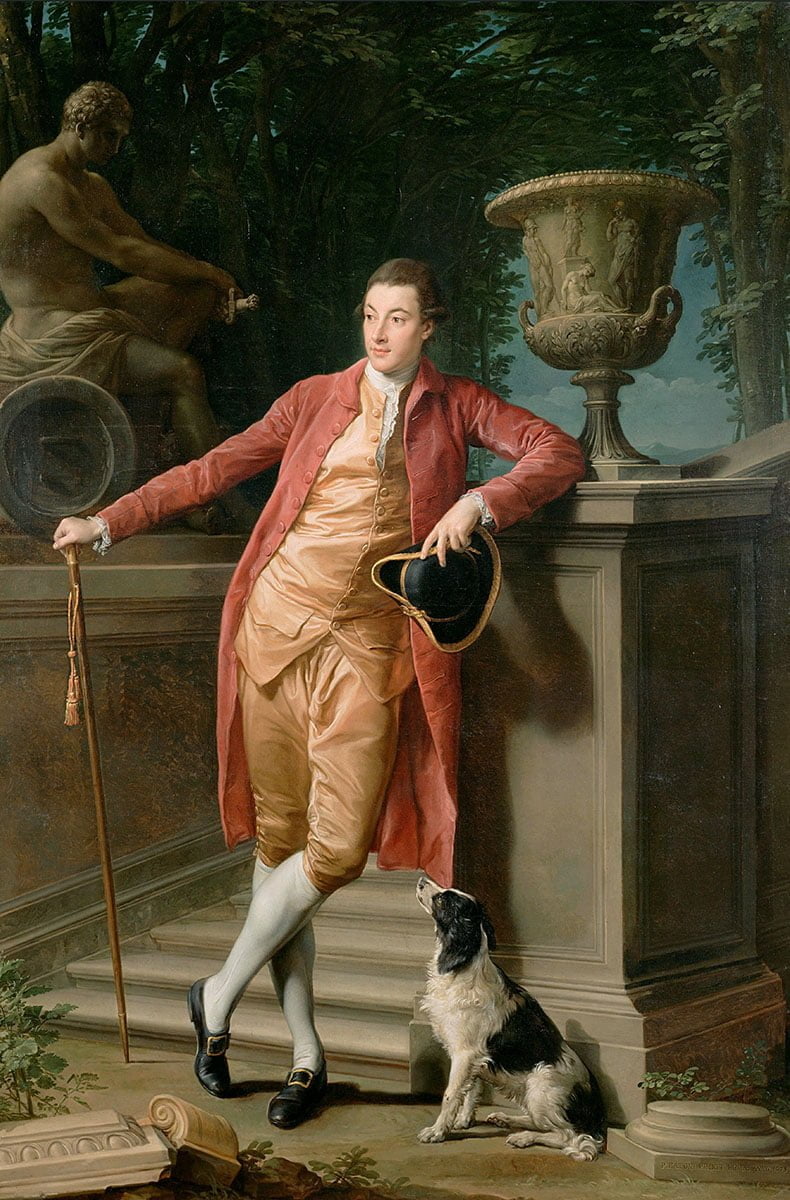
2. “Portrait of John Talbot, 1st Earl Talbot”
Batoni’s portrait of John Talbot, the 1st Earl Talbot, is a testament to his prowess in capturing the essence of his sitters. The painting exudes an air of aristocratic grace and refinement, with Talbot portrayed as a paragon of sophistication. The play of light and shadow in this portrait adds depth and dimension, showcasing Batoni’s technical virtuosity.
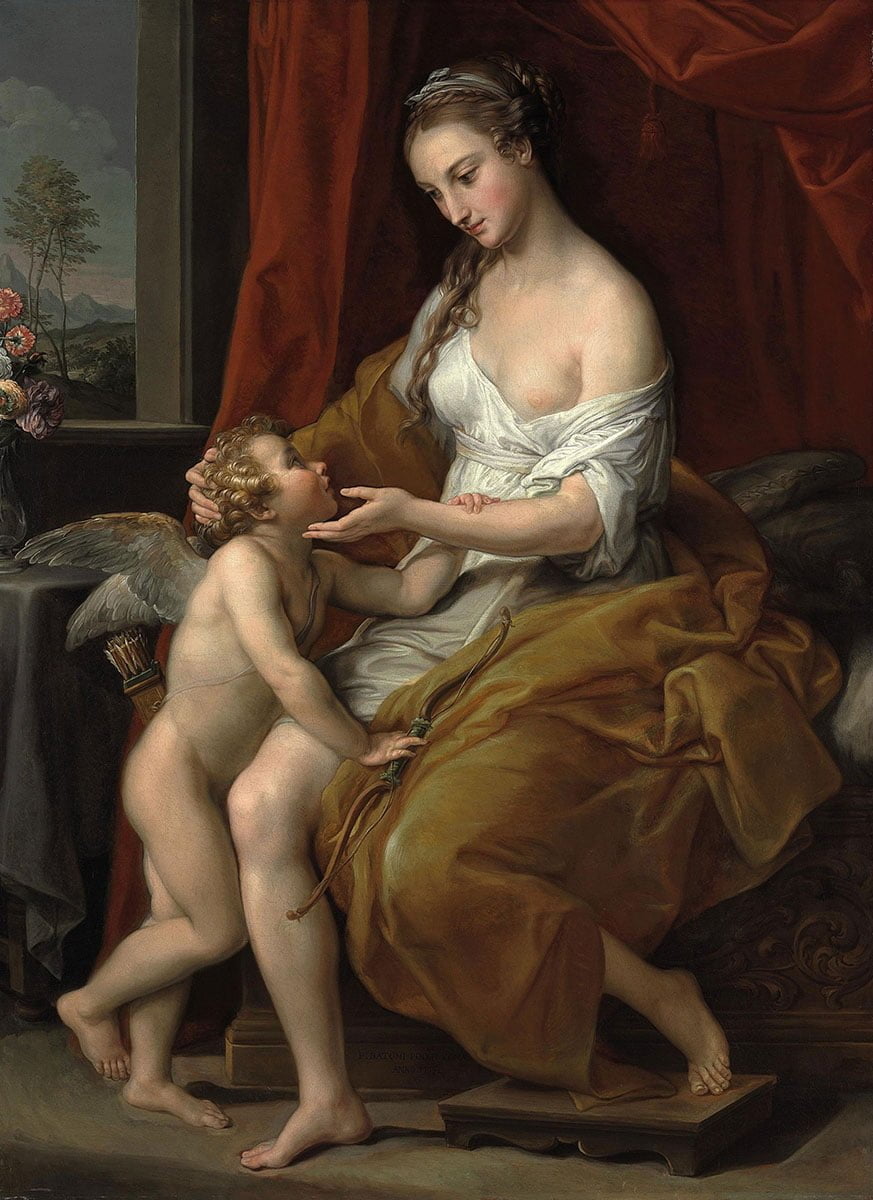
3. “Venus Caressing Cupid”
In “Venus Caressing Cupid,” Batoni delves into classical mythology, depicting Venus the goddess of love, consoling her son, Cupid. The painting is a symphony of delicate colors and graceful compositions, embodying the Rococo fascination with mythological themes. It exemplifies Batoni’s ability to infuse tenderness and emotion into his mythological works.
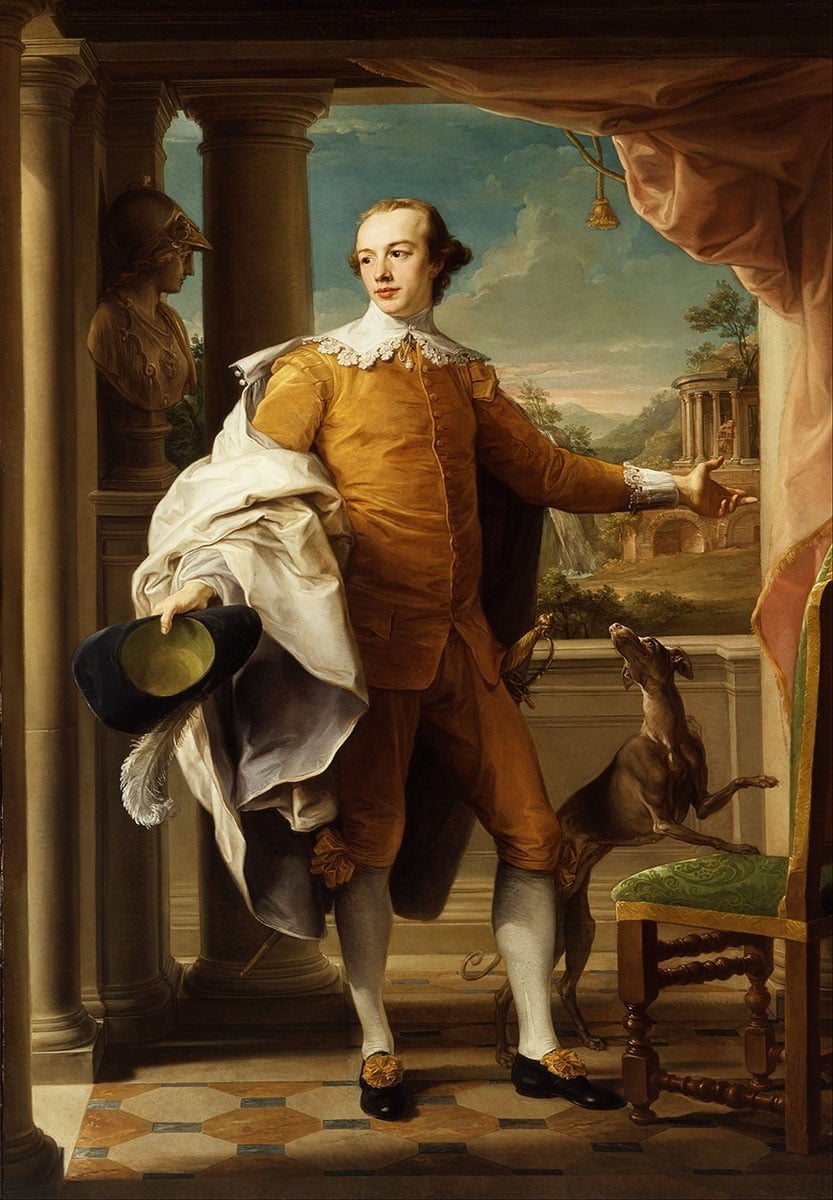
4. “Portrait of Sir Wyndham Knatchbull-Wyndham”
Batoni’s portrait of Sir Wyndham Knatchbull-Wyndham is a striking example of his Grand Tour souvenirs. The composition exudes an air of worldly sophistication, capturing the essence of the young traveler’s cultural exploration. Batoni’s keen eye for detail and his ability to convey the spirit of the Grand Tour are evident in this portrait.
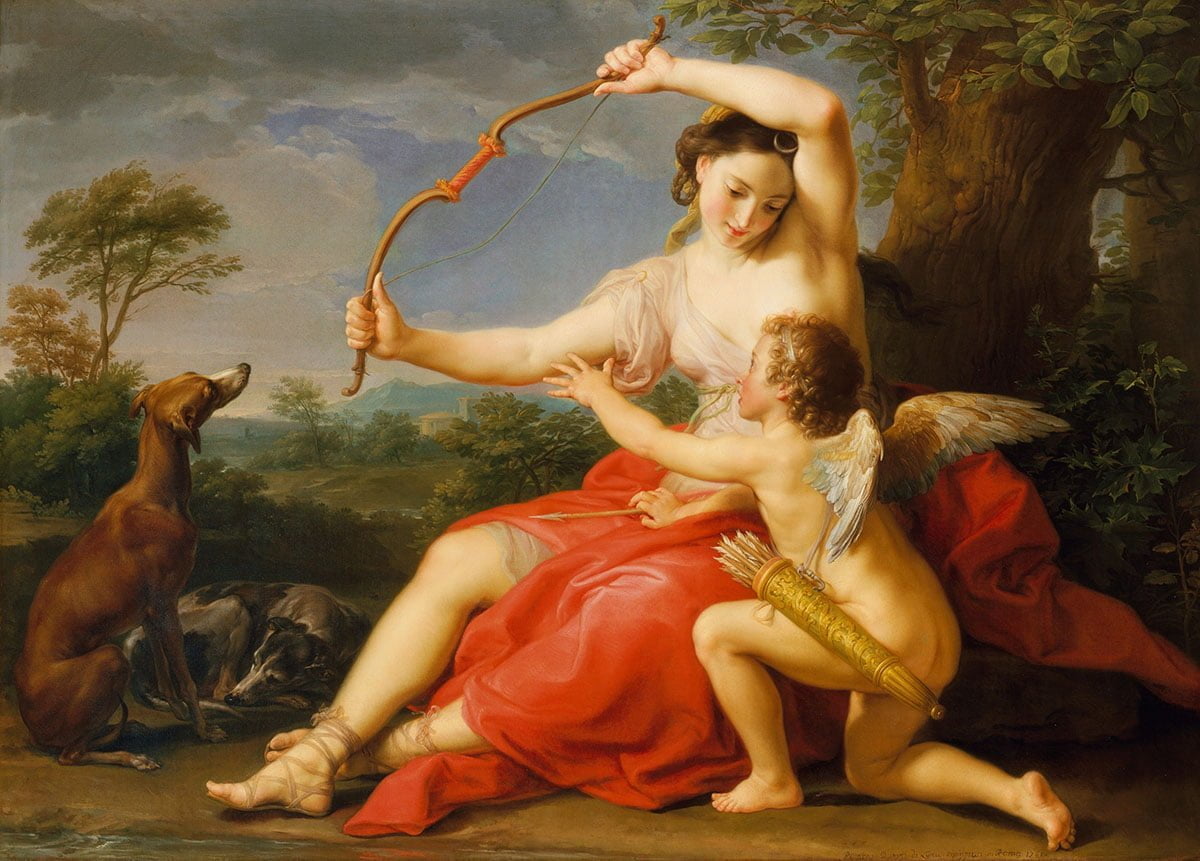
5. “Diana and Cupid”
“Diana and Cupid” is another splendid example of Batoni’s mythological paintings. In this painting, the goddess Diana is depicted in a serene moment, accompanied by Cupid. The lush landscape and ethereal lighting create an enchanting ambiance, showcasing Batoni’s ability to transport viewers to a world of myth and beauty.
These are just a few of Pompeo Batoni’s masterpieces that have left an indelible mark on the world of Rococo art. His ability to blend elegance, refinement, and mythological allure in his works set him apart as a true master of the Rococo style.
Influence and Legacy
Pompeo Batoni’s influence on the world of art during the Rococo era was profound, and his legacy continues to resonate through the centuries. His unique style, characterized by elegance, refinement, and a penchant for mythological themes, left an indelible mark on both his contemporaries and future generations of artists. Let’s explore the enduring influence and legacy of this Rococo maestro.
1. Shaping the Rococo Aesthetic: Pompeo Batoni was instrumental in defining the aesthetic of the Rococo era. His ability to infuse grace and sophistication into his paintings set a standard for the style. Artists of the time looked to Batoni’s works as exemplars of Rococo elegance, and his style became a touchstone for the movement.
2. The Grand Tour Souvenir Tradition: Batoni’s studio in Rome became a pilgrimage site for young European aristocrats embarking on the Grand Tour. His portraits, often referred to as “Grand Tour souvenirs,” played a significant role in shaping the artistic taste of the elite. These portraits not only served as mementos of their cultural journeys but also influenced the portrayal of aristocracy in art.
3. International Acclaim: Batoni’s fame extended beyond Italy, earning him international acclaim. His works were highly sought after by collectors and art enthusiasts across Europe. His ability to convey the essence of his sitters while infusing mythological and allegorical elements into his compositions made his paintings coveted treasures.
4. Inspiration for Later Artists: Batoni’s innovative approach to mythological compositions and portraiture inspired subsequent generations of artists. His techniques and use of pastels, in particular, became influential, leaving an imprint on artists who embraced the Rococo and Neoclassical styles.
5. Preservation of Rococo Ideals: Batoni’s art preserved the ideals of the Rococo era for posterity. His works capture the spirit of a time marked by elegance, beauty, and the pursuit of pleasure. In an ever-changing art landscape, Batoni’s paintings serve as a visual record of the Rococo sensibility.
Conclusion
Pompeo Batoni, a luminary of the Rococo era, stands as a beacon of elegance, refinement, and artistic mastery. His exceptional ability to capture the essence of his sitters, infuse mythological elements into his compositions, and create visually captivating narratives has left an indelible mark on the world of art. As we conclude our exploration of this Rococo maestro, we reflect on the enduring legacy of Pompeo Batoni.
Batoni’s legacy extends far beyond his lifetime, shaping the aesthetics of the Rococo movement and inspiring artists for generations. His portraits, celebrated for their ability to convey the sophistication and individuality of his sitters, continue to be admired for their timeless elegance. The mythological compositions that brought ancient tales to life in Batoni’s works remain a testament to his creativity and skill.
As we look back on Batoni’s career and his most celebrated paintings, we are reminded of the allure of the Rococo era—a time characterized by beauty, pleasure, and a devotion to refined aesthetics. Pompeo Batoni’s art encapsulates these ideals, offering us a glimpse into a world where elegance and sophistication reigned supreme.
In the annals of art history, Pompeo Batoni’s name shines brightly as a true master of Rococo paintings. His influence on the art world, the preservation of Rococo ideals, and the inspiration he provided to subsequent generations of artists are testaments to his enduring legacy. Today, we continue to marvel at the grace and beauty that define his works, ensuring that Pompeo Batoni remains an everlasting luminary in the realm of art.
Tale of most famous paintings
| Name of the Painting | Year | Theme |
| “The Triumph of Venice” | 1737 | Allegorical |
| “Portrait of John Talbot, 1st Earl Talbot” | 1773 | Portrait |
| “Venus Caressing Cupid” | 1751 | Mythological |
| “Portrait of Sir Wyndham Knatchbull-Wyndham” | 1758 | Portrait (Grand Tour Souvenir) |
| “Diana and Cupid” | 1761 | Mythological |
| “Self-Portrait with James Boswell” | 1769 | Portrait (Historical) |
| “Minerva Dressing” | 1763 | Mythological |
| “Portrait of Sir Sampson Gideon” | 1760 | Portrait |
| “Allegory of Peace and War” | 1767 | Allegorical |
| “The Education of Achilles” | 1760 | Mythological |
Questions and Answers
Q: When was Pompeo Batoni born?
Pompeo Batoni was born on January 25, 1708, in Lucca, Italy.
Q: What was Pompeo Batoni’s artistic training and education?
Pompeo Batoni received his artistic training at the Accademia di San Luca in Rome, where he honed his skills and developed his artistic style.
Q: Did Pompeo Batoni travel extensively during his career?
Yes, Pompeo Batoni was known for his extensive travels throughout Europe, especially to England, where he gained popularity among British aristocrats.
Q: Can you mention some famous individuals who sat for portraits by Pompeo Batoni?
Pompeo Batoni painted portraits of notable figures such as Pope Benedict XIV, James Boswell, and Sir Joshua Reynolds, among others.
Q: What are some distinctive characteristics of Pompeo Batoni’s portrait paintings?
Pompeo Batoni’s portrait paintings are known for their exquisite attention to detail, the use of classical motifs and settings, and the ability to capture the personality of his subjects.