
The Golden Age of Dutch Painting represents an extraordinary chapter in the annals of art history, marking a period where creative brilliance, innovative techniques, and intricate cultural narratives came to the forefront. Stretching primarily through the 17th century, this epoch not only carved out a distinct identity for Dutch art but also provided invaluable insights into the socio-political and economic landscapes of the Netherlands. The article endeavors to dissect the various facets of this monumental period, from its pioneering artists to the dominant themes and techniques, as well as its enduring influence and legacy. Catering to both art enthusiasts and specialists, this comprehensive exploration aims to serve as a seminal reference on the subject of Dutch painting during its Golden Age.


Table of Contents :
Setting the Historical Context
To fully grasp the magnificence of the Dutch Golden Age in painting, one must consider the milieu in which it flourished. The 17th century was a period of remarkable transformation for the Netherlands, both politically and economically. After gaining independence from Spanish rule in 1648, the Dutch Republic emerged as a beacon of freedom and prosperity. The country’s mercantile economy skyrocketed, creating a burgeoning middle class with a penchant for art.
This socio-political environment cultivated a fertile ground for artistic endeavor. The Calvinist ethos, dominant in the Netherlands at the time, rejected opulent displays in churches, thereby redirecting the focus of art towards domestic spaces. As a result, the art market experienced a seismic shift, with more artists producing works intended for private homes rather than ecclesiastical or royal patronage. This was a marked departure from other European art scenes of the time, like Italy and France, where the church and monarchy were the principal sponsors of artistic works.
Moreover, the Dutch were keenly aware of their standing in the world, fueled by their successes in trade and navigation. This global perspective often found its way into art, with maritime scenes, landscapes featuring exotic locales, and portraiture that included objects symbolizing Dutch global reach.
The increasing literacy rates and the availability of printed material also contributed to the dissemination of artistic knowledge, sparking greater public interest and a wider market for art. Consequently, artists found themselves not only with a willing and eager clientele but also in a society that valued intellectualism and creativity as reflections of its own success.

Pioneers of the Dutch Golden Age in Painting
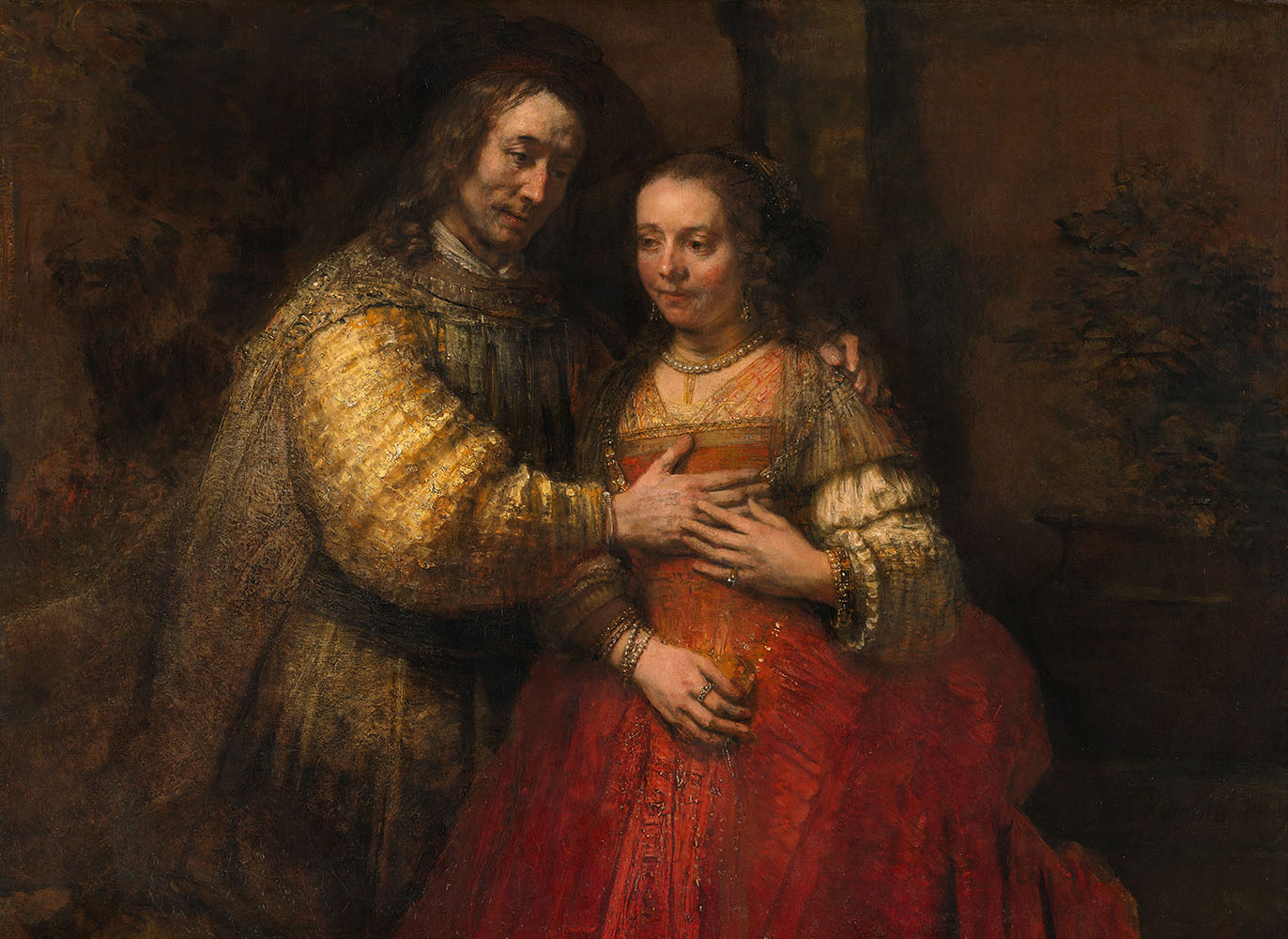
No exploration of Dutch painting’s Golden Age would be complete without acknowledging the painters who led this extraordinary movement. Among the notable artists, Rembrandt van Rijn stands as an unparalleled master, particularly known for his introspective portraiture and mastery over light and shadow. His works, such as “The Night Watch,” not only revolutionized portraiture but also encapsulated the essence of Dutch society.
Johannes Vermeer, another luminary, excelled in capturing domestic scenes, filled with tranquility and intimate details. His masterpiece “Girl with a Pearl Earring” is an epitome of his ability to convey complex emotions through simple compositions.
Frans Hals was yet another influential figure, noted for his lively and somewhat informal portraits. Unlike his contemporaries, Hals often painted his subjects with a sense of immediacy and dynamism, as evident in works like “The Laughing Cavalier.”
Apart from these giants, the Dutch Golden Age also saw a plethora of specialized artists. Jan Steen and Pieter de Hooch were celebrated for their genre paintings that offered glimpses into everyday Dutch life. On the other hand, artists like Jacob van Ruisdael excelled in landscape painting, capturing the natural beauty of the Dutch countryside.
It’s important to recognize that the proliferation of these artists was not an isolated phenomenon. They operated within an intricate network of patrons, art dealers, and critics. The existence of guilds and art academies further facilitated the exchange of ideas, techniques, and styles, culminating in a vibrant and competitive artistic environment.
The Dominant Themes in Dutch Painting
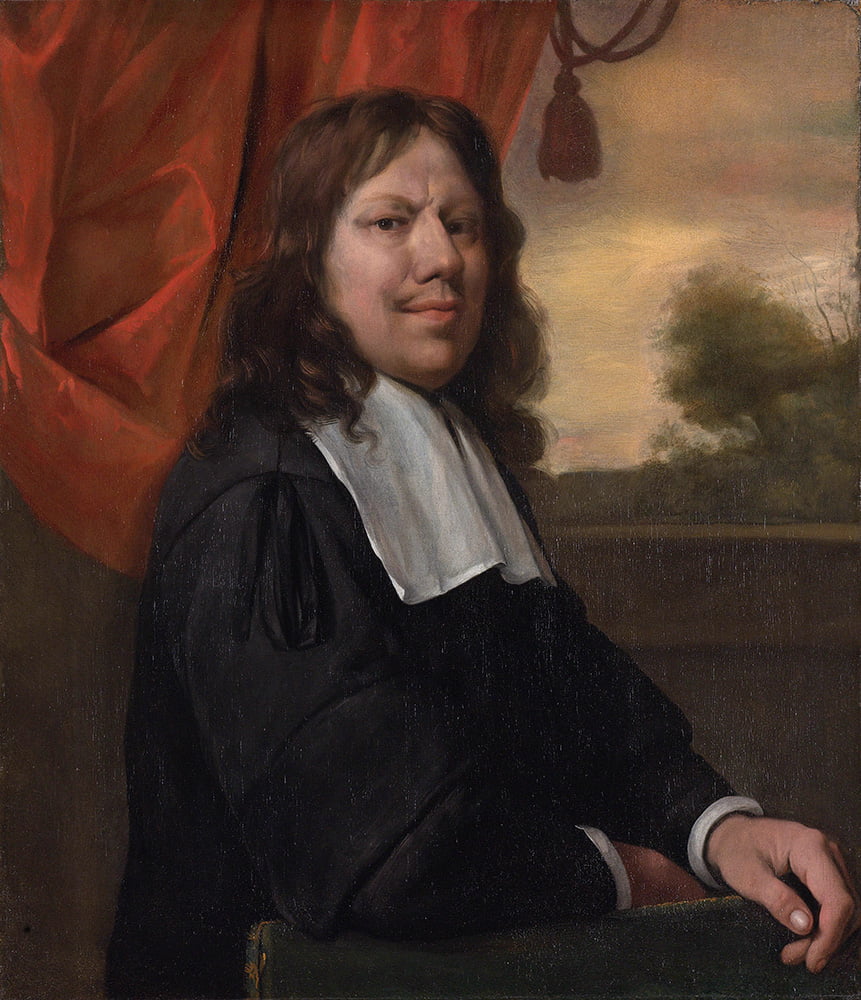
The subject matter of Dutch Golden Age painting is exceptionally diverse, reflecting a society that was complex, worldly, and deeply interested in various aspects of human experience. A unique feature of Dutch art from this period is the broad spectrum of themes that were explored, which served as visual narratives of Dutch culture, beliefs, and daily life.
One of the most celebrated themes is that of landscapes. Artists like Jacob van Ruisdael and Meindert Hobbema transformed this genre into a study of natural light, atmosphere, and the idealized Dutch countryside. These were often more than mere aesthetic endeavors; they expressed a form of national pride in the beauty of the Netherlands.
Portraiture was another significant area of focus. Artists like Rembrandt and Frans Hals went beyond capturing physical likeness to delve into the psychological depths of their subjects. Group portraits, often of civic guards or guild members, also became prominent, serving as both a record and a celebration of Dutch communal life.
Still life was another dominant genre, capturing everything from the sumptuousness of banquet tables to the minutiae of everyday objects. These works often contained moral or allegorical messages and showed a fascination with the rendering of textures and materials. Artists like Willem Claesz. Heda and Jan Davidsz. de Heem were masters in this genre.
Genre painting, illustrating scenes from daily life, was another popular area. These paintings often had moralistic overtones, and artists like Jan Steen and Pieter de Hooch were particularly known for their ability to convey complex stories through ordinary settings.
Maritime scenes were yet another popular subject, resonating with the Dutch Republic’s identity as a major naval power. These works often celebrated naval victories or portrayed ships in various states of action or repose.
The Techniques and Styles
The Golden Age of Dutch Painting wasn’t just a period of thematic diversity; it was also an era marked by technical innovation and stylistic evolution. Many of these developments were closely intertwined with the subject matter, allowing artists to delve deeper into realism and emotional expression.
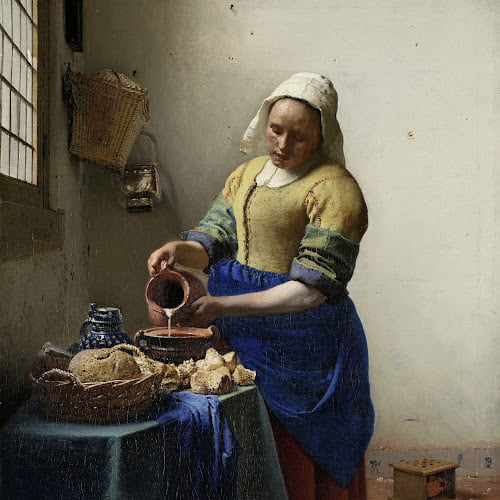
One of the defining features of Dutch painting at this time was the exceptional use of light. Artists like Vermeer and Rembrandt were adept at employing chiaroscuro, a technique involving the contrast between light and dark, to create depth and volume in their works. This meticulous attention to light contributed to the lifelike quality of the paintings, allowing for a heightened sense of realism and emotional intensity.
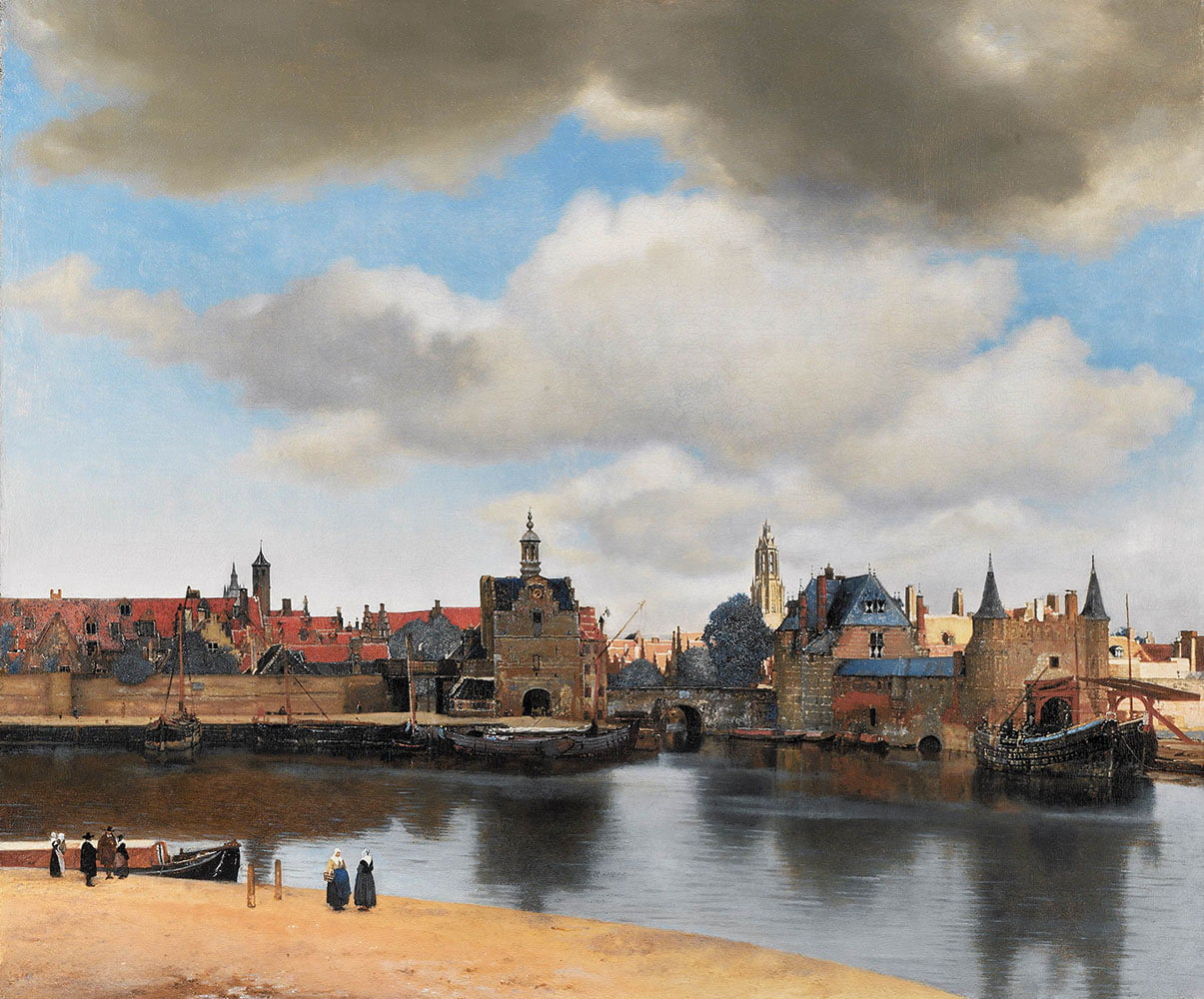
The Dutch painters also demonstrated an advanced understanding of perspective, particularly evident in their landscapes and architectural scenes. Linear perspective and a carefully chosen vantage point often gave these works an impressive spatial depth, making the viewer feel as if they were part of the scene.
Materials played a crucial role as well. The use of oil paints allowed for a richness of color and texture that was previously unattainable. Moreover, Dutch artists often prepared their canvases in specific ways to achieve desired effects. For instance, a dark underpainting could be used to intensify the luminosity of the subsequent layers.
Another remarkable feature was the sheer level of detail, especially in still life and genre paintings. Whether it was the intricate patterns of a Persian rug, the delicate folds of a satin gown, or the subtle reflections in a glass goblet, the attention to minutiae was extraordinary.
It’s worth noting that the proliferation of art academies and guilds during this period facilitated a more structured training for artists. This not only helped standardize certain techniques but also encouraged experimentation, fostering a culture of continual learning and improvement among Dutch artists.

Cultural and Economic Impact
The influence of the Dutch Golden Age in painting extended far beyond the artistic domain, shaping the cultural and economic landscape of the Netherlands and beyond. During the 17th century, art wasn’t merely a form of aesthetic expression; it was a lucrative industry that played a substantial role in the Dutch economy.
Art was one of the many commodities traded in the thriving Dutch markets. The burgeoning middle class, comprised of merchants and traders, had the financial capacity to invest in artworks, making art collection a common practice. This created a buoyant market for artists, art dealers, and guilds, further elevating the status of the artist from a mere craftsman to a respected member of society.
The trade of art also extended internationally, partly due to the Dutch Republic’s extensive trading network. Dutch paintings were exported to various European countries, contributing to the Netherlands’ economic prosperity and spreading the influence of its artistic style. It’s not surprising to find Dutch artworks in the royal collections of France, England, and Spain during this period.
Culturally, the themes and techniques of Dutch painting became representative of Dutch values and identity. The portrayal of domestic life, landscapes, and maritime scenes reflected the pride the Dutch took in their land, their freedom, and their maritime prowess. The meticulous attention to detail and realism in Dutch paintings also mirrored the empirical spirit of the age, seen in other fields like science and cartography.
It’s also worth mentioning that the public’s engagement with art was remarkably high. Art was discussed in intellectual circles, critiqued in periodicals, and exhibited in public spaces, making it accessible to a broader audience than ever before. This democratization of art contributed to a more informed and culturally aware society, adding another layer to the period’s significance.
The Legacy and Influence on Modern Art
The reverberations of the Dutch Golden Age in painting are felt to this day, making it one of the most enduring periods in art history. Its legacy is manifold, extending from art theory and critique to the very manner in which art is consumed and appreciated.
Firstly, the advancements in technique—such as the use of chiaroscuro, mastery of perspective, and intricate detailing—have influenced generations of artists beyond the Dutch borders. The Realist and Romantic movements of the 19th century drew heavily from the achievements of Dutch Golden Age painters, emphasizing the importance of natural light and realistic portrayal of subjects.
The modern understanding of genres in painting, notably landscapes, still lifes, and genre scenes, was also significantly shaped by the innovations of this period. The Dutch painters’ ability to elevate everyday scenes into subjects worthy of artistic exploration has had a lasting impact, finding echoes in contemporary works that explore quotidian life.
Moreover, the Golden Age contributed to the democratization of art, setting a precedent for public engagement and accessibility. Its influence is evident in today’s art market, museums, and galleries, which continue to be spaces that invite public dialogue and appreciation, rather than exclusive venues for the elite.
While many artists, such as Vincent van Gogh, have explicitly cited the Dutch masters as their inspirations, the Golden Age’s influence is also subtly embedded in modern conceptions of artistic value and aesthetics. It challenges artists and audiences alike to appreciate the complexities of light, the nuances of emotion, and the beauty in the mundane, enriching the visual language that defines art today.
Conclusion
The Golden Age of Dutch Painting stands as a testament to a remarkable confluence of artistic talent, cultural richness, and economic vitality. It was a period that witnessed unparalleled innovation in technique and subject matter, setting standards that continue to influence the world of art. From the luminous interiors of Vermeer to the emotive portraits of Rembrandt, this era captured the complexities of human experience in ways that still resonate.
Its impact transcended art, shaping the cultural and economic landscapes of the 17th-century Netherlands and leaving an indelible mark on how art is consumed, critiqued, and appreciated today. The Dutch Golden Age in painting didn’t merely redefine artistic norms; it set a precedent for how society engages with art, creating a dialogue that extends from the intimate confines of a domestic setting to the global discourse on artistic value.
In a time when the lines between art and commerce, the personal and the public, the local and the global were being redrawn, the Dutch Golden Age stands as an enduring example of how art can capture the zeitgeist of an era while also shaping its legacy for generations to come.
Questions and Answers
Q1: Why is the Dutch Golden Age considered a “Golden Age” for painting?
The term “Golden Age” signifies a period of exceptional creativity, prosperity, and influence, and the Dutch Golden Age in painting fulfills all these criteria. From technical advancements in the use of light and perspective to the diverse range of themes explored, the period marked a high point in artistic innovation. Additionally, the booming art market and public engagement in art made this era truly golden.
Q2: What are some of the most iconic works from this period?
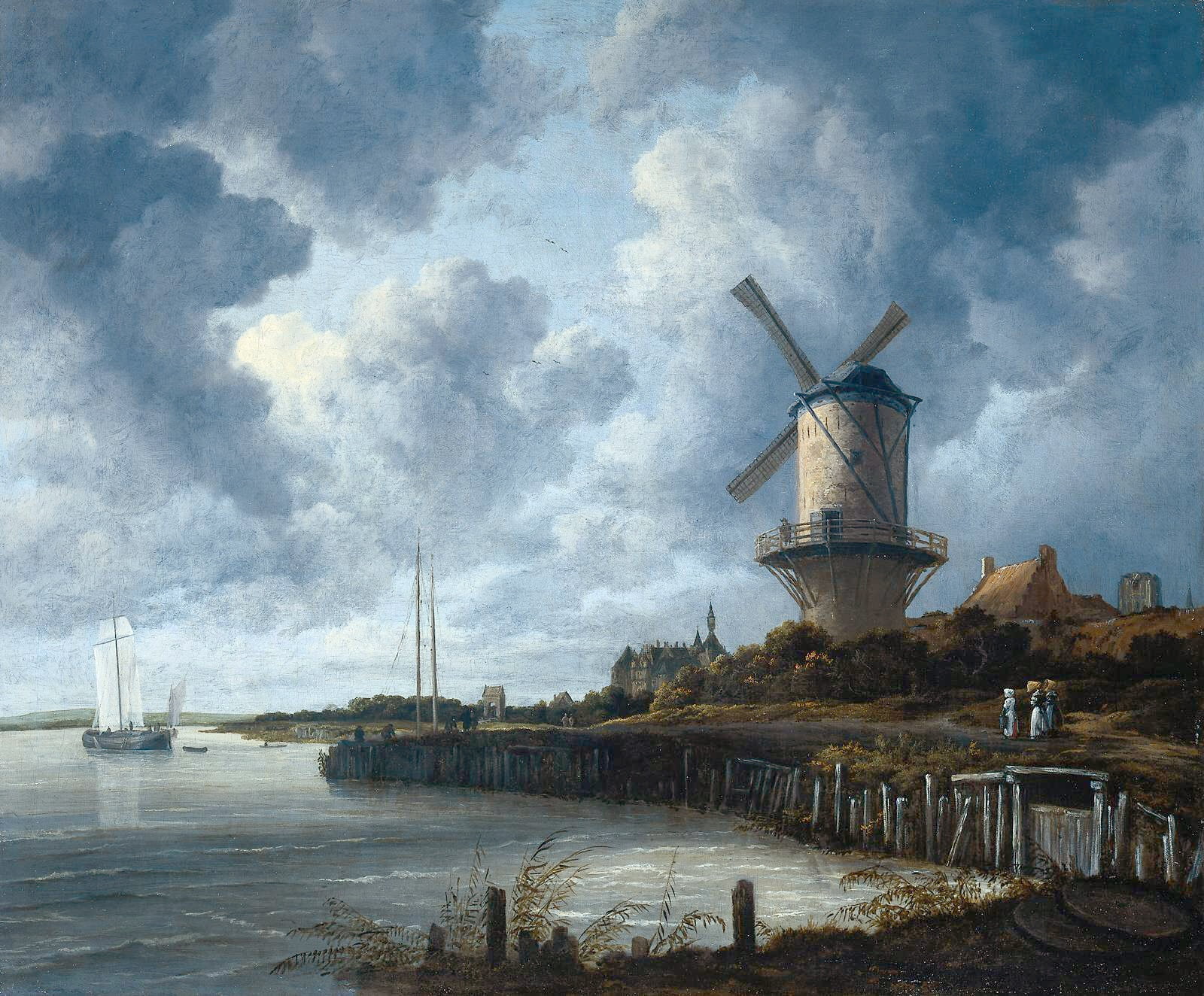
Some iconic works include “The Night Watch” by Rembrandt, “Girl with a Pearl Earring” by Vermeer, and “The Windmill at Wijk bij Duurstede” by Jacob van Ruisdael. These pieces are emblematic of the expertise in technique and subject matter typical of the era.
Q3: How did the economic climate of the 17th-century Netherlands contribute to the art scene?
The economic prosperity of the Dutch Republic, driven by trade and commerce, created a wealthy middle class capable of investing in art. This provided a vibrant market for artists and made art collection a common practice, thereby fueling the industry.
Q4: Are the themes in Dutch Golden Age painting unique to the Netherlands?
While some themes like maritime prowess and Dutch landscapes are unique, many—such as portraiture, still life, and genre scenes—have universal elements. What makes Dutch Golden Age painting distinctive is how these themes were approached, often reflecting Dutch values and the cultural milieu.
Q5: How does the Dutch Golden Age influence modern art?
The legacy of the Dutch Golden Age is evident in various art movements that emphasize naturalism, detailed observation, and the democratization of art. It has inspired artists to explore similar themes and adopt techniques that originated during this period, thereby influencing modern artistic sensibilities.
Q6: Where can you see the most famous paintings from the Golden Age of Dutch Painting?
Three of the most iconic works from this period are housed in esteemed museums:
- “The Night Watch” by Rembrandt van Rijn can be viewed at the Rijksmuseum in Amsterdam, Netherlands.
- “Girl with a Pearl Earring” by Johannes Vermeer is located in the Mauritshuis in The Hague, Netherlands.
- “The Windmill at Wijk bij Duurstede” by Jacob van Ruisdael is also at the Rijksmuseum in Amsterdam, Netherlands.
These museums offer an invaluable opportunity to experience the masterpieces of the Dutch Golden Age up close.