
The “Immaculate Heart of Mary” is a symbol deeply interwoven into the tapestry of Christian art and devotion. Representing the innermost feelings and virtues of the Blessed Virgin Mary, this symbol stands as a testament to her purity, love, and sorrow. While many are familiar with the radiant heart encircled by roses or thorns, fewer realize the profound influence Marian apparitions have had on shaping this imagery and its associated devotions. This article aims to delve into the rich history and relationship between the “Immaculate Heart of Mary” and key Marian apparitions, unraveling the intricate threads that bind them in both art and theology.

Table of Contents :
- Historical Overview of the Immaculate Heart of Mary
- Key Marian Apparitions and Their Significance
- The Connection Between the Immaculate Heart and Apparitions
- Artistic Representations Stemming from Apparitions
- The Theological Implications
- Conclusion
- Questions and Answers
Historical Overview of the Immaculate Heart of Mary
The veneration of the “Immaculate Heart of Mary” has its roots deeply embedded in Christian history. While the New Testament does not explicitly mention the Immaculate Heart, there are allusions to Mary’s inner sentiments, most notably in the Gospel of Luke where it’s mentioned, “But Mary treasured up all these things, pondering them in her heart.” (Luke 2:19)
During the Middle Ages, the focus on Mary’s heart as a symbol of her compassion, virtue, and purity began to gain prominence. Mystics and theologians of the time, such as Saint Bernard of Clairvaux and Saint John Eudes, played instrumental roles in fostering a deeper understanding and devotion to Mary’s heart. Their writings and sermons emphasized her unparalleled love for Jesus and humanity, laying the groundwork for the future iconography and devotion to the Immaculate Heart.
The artistic representation of the Immaculate Heart evolved over the centuries. Early depictions often portrayed Mary pointing to her heart or holding her heart in her hands. As devotion grew, more elaborate symbols, such as the heart encircled by thorns, the flaming heart, and the heart pierced by a sword, began to appear, each adding layers of meaning and theological depth.
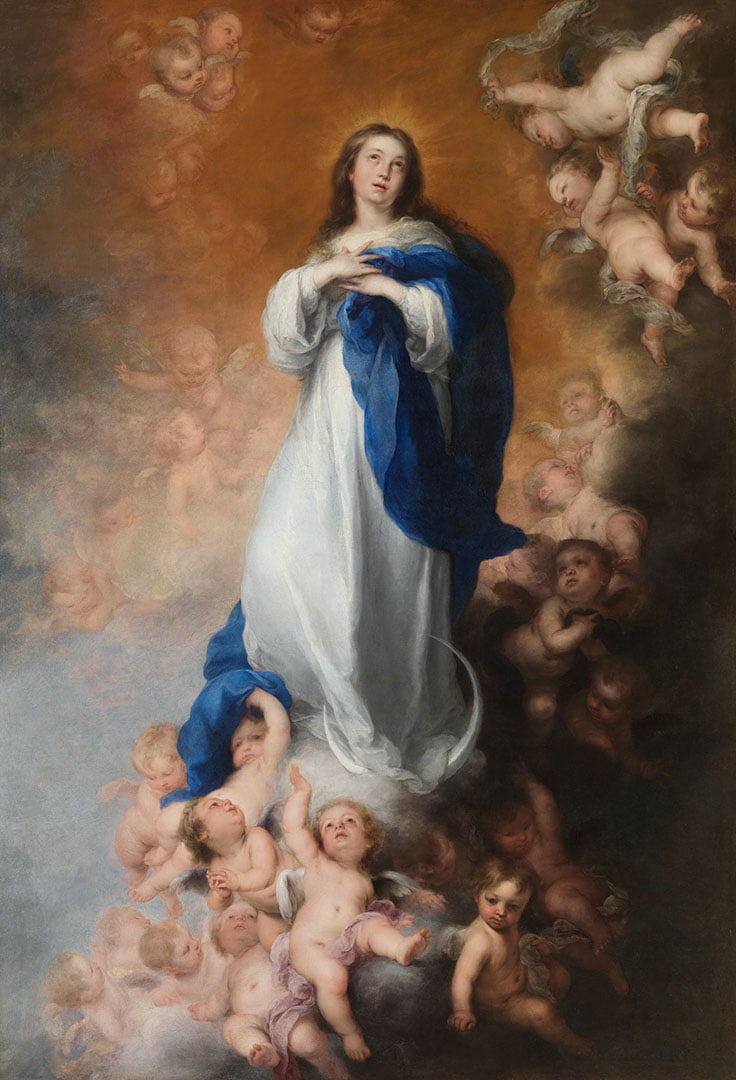
Renaissance and Baroque artists further popularized the Immaculate Heart in their religious artworks. These depictions not only showcased the artists’ technical prowess but also reflected the theological and devotional currents of their time, making the Immaculate Heart an enduring symbol in Christian art.
Key Marian Apparitions and Their Significance
Marian apparitions, or reported supernatural appearances of the Virgin Mary, have played a pivotal role in shaping the devotional landscape of the Catholic Church. These apparitions, often accompanied by messages or prophecies, have left indelible marks on art, theology, and popular devotion. Here, we will focus on some of the most influential apparitions and their relationship with the “Immaculate Heart of Mary”.
- Our Lady of Fatima (1917): In the small village of Fatima in Portugal, three shepherd children reported visions of the Virgin Mary. In her messages, Mary emphasized the importance of praying the Rosary and showed the children her Immaculate Heart, surrounded by thorns, representing the sins of humanity. The Fatima apparitions hold a special place in the veneration of the Immaculate Heart, as Mary specifically mentioned her desire for the devotion to her Immaculate Heart as a means of saving souls and bringing peace.
- Our Lady of Lourdes (1858): In Lourdes, France, a young girl named Bernadette Soubirous experienced a series of visions of the Virgin Mary in a grotto. While the Immaculate Heart was not explicitly showcased, the messages of penance, prayer, and healing align closely with the virtues associated with Mary’s heart. The Lourdes apparitions bolstered Marian devotion worldwide and inspired countless artworks.
- Our Lady of Guadalupe (1531): In what is now Mexico City, Juan Diego, an indigenous man, reported visions of the Virgin Mary on the hill of Tepeyac. She left her image imprinted on his cloak, which is venerated as the icon of Our Lady of Guadalupe. Though not directly linked to the Immaculate Heart iconography, this apparition underscores Mary’s role as a compassionate intercessor, which aligns with the essence of the Immaculate Heart’s symbolism.
These apparitions, among others, have profoundly influenced the ways in which believers and artists perceive and represent the Virgin Mary, especially her Immaculate Heart. The intertwining of supernatural experiences, theological insights, and artistic expressions has enriched the tapestry of Marian devotion.
The Connection Between the Immaculate Heart and Apparitions
The “Immaculate Heart of Mary” and Marian apparitions share a profound bond, with the apparitions often emphasizing or elaborating upon the significance of Mary’s heart in the broader context of Christian devotion and theology.
- The Message of Fatima: Arguably, the most direct connection between the Immaculate Heart and a Marian apparition is found in the messages conveyed at Fatima. During the series of apparitions in 1917, the Virgin Mary revealed her heart encircled by thorns, representing the sins of humanity and the offenses against her Immaculate Heart. She expressed her desire for the establishment of a devotion to her Immaculate Heart to save souls from hell and bring about world peace. The First Saturday Devotion, which involves specific acts of reparation to the Immaculate Heart, stems directly from these apparitions.
- Symbolism and Interpretation: While not all Marian apparitions explicitly showcase or mention the Immaculate Heart, the essence of the messages often aligns with the virtues and symbolism associated with Mary’s heart. Themes of love, sorrow, intercession, and maternal care are prevalent in both the apparitions and the iconography of the Immaculate Heart. The heart, as a universal symbol of love and compassion, becomes especially poignant when associated with the Mother of Christ.
- Artistic Influence and Integration: Artists, inspired by the apparitions and their messages, have integrated elements from these supernatural events into their depictions of the Immaculate Heart. For instance, the radiant light often seen in portrayals of the Immaculate Heart can be traced back to descriptions from various apparitions where Mary is described as luminous or shining.
In essence, the Marian apparitions have not only deepened the understanding and veneration of the Immaculate Heart but have also influenced its artistic and theological portrayal over the centuries. These events, transcending time and culture, serve as testament to the enduring appeal and significance of the “Immaculate Heart of Mary” in the Christian tradition.
Artistic Representations Stemming from Apparitions
Art and spirituality have always been intricately linked, with artists drawing inspiration from religious experiences, teachings, and events. The Marian apparitions, rich in symbolism and emotion, have been a wellspring of inspiration for countless artists. In this section, we’ll delve into how these supernatural events have influenced depictions of the “Immaculate Heart of Mary”.
- Fatima’s Influence: The apparitions at Fatima have had a profound impact on Christian art. The vision of Mary’s heart, encircled by thorns and topped with a flaming cross, has become an iconic representation. This specific portrayal emphasizes both the sorrows endured by Mary and her burning love for humanity and God. Over the decades, countless paintings, sculptures, and stained-glass windows in churches worldwide have been inspired by this particular vision.
- Lourdes and the Tender Gaze: While the Lourdes apparitions did not directly showcase the Immaculate Heart, artists have been inspired by the tenderness and compassion of the Virgin as described by Bernadette. In many artworks influenced by Lourdes, Mary is depicted with a gentle, loving gaze, her hand often pointing to her heart, inviting the faithful to seek refuge and comfort.
- Guadalupe and the Protective Mantle: The image of Our Lady of Guadalupe imprinted on Juan Diego’s cloak is replete with symbolism. While not a direct representation of the Immaculate Heart, the protective stance of Mary, her hands joined in prayer, and the radiant light surrounding her have influenced artists to incorporate these elements into their depictions of the Immaculate Heart, emphasizing Mary’s role as a protective and intercessory figure.
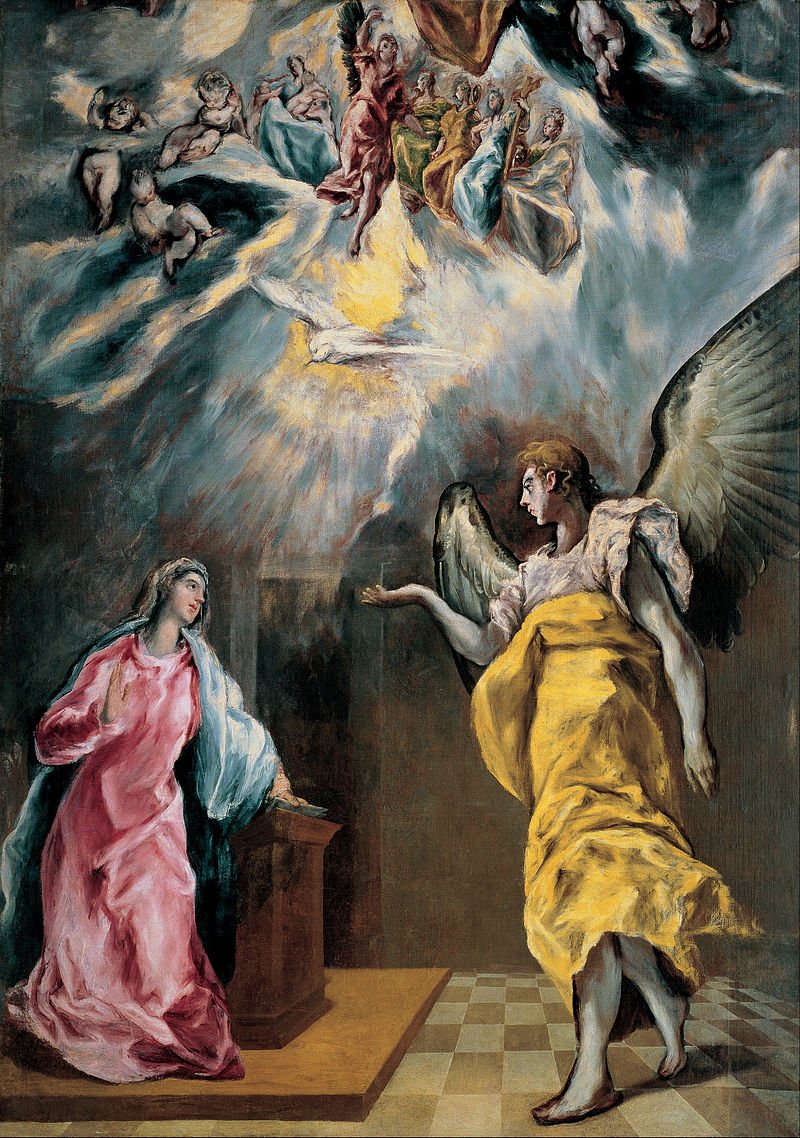
Through the lens of art, the messages and symbols of the Marian apparitions come alive, bridging the gap between the ethereal and the tangible. Artists, in their unique way, have taken the visions of a few and made them accessible to the many, ensuring that the profound messages of love, penance, and hope resonate across generations.
The Theological Implications
The “Immaculate Heart of Mary” is more than just an artistic or devotional symbol; it carries profound theological weight, especially when considered in the context of Marian apparitions. These apparitions, with their messages and visions, have deepened the Church’s understanding of Mary’s role in salvation history and the significance of her Immaculate Heart.
- Heart as the Seat of Emotion and Will: In biblical and theological traditions, the heart is often seen as the seat of emotion, intention, and will. The veneration of Mary’s Immaculate Heart emphasizes her perfect willingness to align her will with that of God, her undivided love for Jesus and humanity, and her sorrow for the sins of the world.
- Co-Redemptrix and Advocate: The apparitions, especially those at Fatima, highlight Mary’s role as an intercessor and advocate for humanity. Her Immaculate Heart, pierced by thorns representing the sins of mankind, underscores her shared suffering with Christ and her role as Co-Redemptrix. While this title is not dogmatically defined, it has been used by saints and theologians to denote Mary’s unique participation in the redemption of humanity.
- Immaculate Heart as a Refuge: The messages from the apparitions often call the faithful to take refuge in Mary’s Immaculate Heart, emphasizing it as a haven of grace, mercy, and spiritual nourishment. This theological perspective resonates with the biblical depiction of Mary as the “Ark of the New Covenant,” a vessel of God’s presence and grace.
- Call to Reparation and Consecration: The apparitions, particularly at Fatima, emphasize the importance of acts of reparation to the Immaculate Heart for the offenses against it. This call for reparation is deeply theological, inviting believers to participate in the redemptive act by offering prayers, sacrifices, and acts of love to console the hearts of Jesus and Mary. Additionally, the consecration to the Immaculate Heart, as requested in the Fatima messages, signifies a total surrender to God’s will through Mary’s intercession.
The “Immaculate Heart of Mary,” enriched by the insights from Marian apparitions, serves as a profound theological symbol. It invites believers to ponder the mysteries of God’s love, Mary’s unwavering faith, and the call to live a life of holiness, love, and reparation.
Conclusion
The “Immaculate Heart of Mary” stands as a beacon of love, purity, and devotion in the vast sea of Christian iconography. Its radiant imagery, often depicted with a heart encircled by thorns, aflame, and occasionally pierced by a sword, serves as a poignant reminder of the Virgin Mary’s profound love for God and humanity, as well as her shared sorrow for the sins of the world.
Inextricably linked to this enduring symbol are the Marian apparitions, which have illuminated, enriched, and deepened the Church’s understanding and veneration of the Immaculate Heart. From the sun-drenched fields of Fatima to the tranquil grotto of Lourdes, the messages conveyed during these supernatural events have emphasized the importance of the Immaculate Heart in the broader tapestry of Christian devotion and theology.
Through the lens of art, theology, and history, the relationship between the Immaculate Heart and the Marian apparitions becomes evident. Artists, inspired by the visions and messages of the apparitions, have brought to life the profound symbolism of the Immaculate Heart, bridging the ethereal with the tangible. Theologians and believers, on the other hand, have found in the Immaculate Heart a source of inspiration, a call to deeper devotion, and a pathway to spiritual growth.
In the ever-evolving journey of faith, the “Immaculate Heart of Mary” remains a steadfast symbol, echoing the timeless messages of love, penance, and hope conveyed in the Marian apparitions. As believers and admirers of art, we are invited to gaze upon the Immaculate Heart, to ponder its significance, and to draw inspiration from its profound depths.
Questions and Answers
Q1: Why is the “Immaculate Heart of Mary” often depicted with thorns and flames?
The thorns encircling the heart represent the sins of humanity and the offenses against Mary’s Immaculate Heart. The flames, on the other hand, symbolize her burning love for God and humanity. These elements emphasize both Mary’s sorrow for the sins of the world and her undying love and compassion.
Q2: How did the Fatima apparitions influence the devotion to the Immaculate Heart?
The Fatima apparitions played a pivotal role in promoting devotion to the Immaculate Heart. The Virgin Mary, during these apparitions, emphasized the importance of praying the Rosary and showcased her heart encircled by thorns. She expressed her desire for the establishment of a devotion to her Immaculate Heart as a means of saving souls and bringing about world peace.
Q3: Are there any specific prayers or practices associated with the Immaculate Heart?
Yes, there are several prayers and practices dedicated to the Immaculate Heart. Among the most notable is the First Saturday Devotion, which involves attending Mass, receiving Communion, praying the Rosary, and meditating for 15 minutes on the mysteries of the Rosary on the first Saturday of five consecutive months. This devotion is an act of reparation to the Immaculate Heart.
Q4: How does the Immaculate Heart differ from the Sacred Heart of Jesus in symbolism and devotion?
While both the Immaculate Heart and the Sacred Heart symbolize love, compassion, and sorrow, they have distinct emphases. The Sacred Heart of Jesus emphasizes Jesus’ divine love for humanity, His mercy, and the wounds He endured during His Passion. The Immaculate Heart, on the other hand, focuses on Mary’s maternal love, her purity, and her sorrows, especially her Seven Sorrows. Both devotions invite believers to reflect on God’s immense love and the call to reparation for sins.
Q5: How have artists over the centuries depicted the relationship between the Immaculate Heart and Marian apparitions?
Artists, inspired by the messages and visions of Marian apparitions, have integrated elements from these supernatural events into their depictions of the Immaculate Heart. This includes the radiant light often seen in portrayals of the Immaculate Heart, which can be traced back to descriptions from various apparitions where Mary is described as luminous or shining. The blend of apparitional elements with the Immaculate Heart’s iconography offers a rich tapestry of symbolism and emotion in art.
You might also be interested by this article : The Sacred Heart of Jesus Christ: A Deep Dive into Its Historical and Theological Significance