
The narrative of art history is often dominated by male artists, with women traditionally cast in the role of muses or passive subjects. However, to perceive women solely through this lens is to overlook their profound contributions as artists, patrons, collectors, and influencers. “Women in Art” is not just a topic of representation but a testament to their enduring legacy and impact on the artistic landscape. This article aims to shed light on the multifaceted roles women have played in art history, moving beyond the canvas and into the realm of creation, curation, and critique.

Table of Contents:
- Historical Overview
- Women as Artists
- Women as Patrons and Collectors
- The Modern and Contemporary Era
- Challenges and Triumphs
- Conclusion
- Questions and Answers

Historical Overview
The role of women in the annals of art history is as layered and complex as the myriad of artworks they’ve influenced, created, or championed. From ancient civilizations to the modern era, women have been both the subjects of artistic endeavors and the driving forces behind them.
Ancient Civilizations: In ancient cultures, from Egypt to Greece, women were frequently depicted in art, often symbolizing fertility, beauty, or divinity. Goddesses like Isis, Athena, and Aphrodite graced many artworks, representing various aspects of life and nature. However, beyond these depictions, women also played roles as artisans, especially in pottery and textiles.
Medieval Period: The Middle Ages saw women primarily in religious artworks, embodying virtues or biblical figures. The portrayal of women like the Virgin Mary became central to Christian art. Yet, in the shadows of grand cathedrals and illuminated manuscripts, women were also scribes, embroiderers, and manuscript illuminators.
Renaissance: The Renaissance period, with its emphasis on humanism, gave rise to a more diverse representation of women. They were not just passive subjects but also patrons who influenced artistic directions. Some, like Sofonisba Anguissola, broke barriers to emerge as recognized artists in their own right.
Baroque and Romanticism: As art evolved, so did the portrayal and participation of women. Artists like Artemisia Gentileschi challenged the norms, producing works that rivaled their male counterparts. The themes expanded, with women being depicted in various roles, from heroines to everyday figures.
19th Century: The advent of movements like Impressionism saw an increased involvement of women as artists. Berthe Morisot, Mary Cassatt, and others became integral to these movements, capturing life from perspectives previously unexplored.
Throughout these periods, while the canvas often showcased women in limited roles, behind the scenes, they were creators, influencers, patrons, and critics. Their contributions, though sometimes overshadowed, have been instrumental in shaping the trajectory of art history.
Women as Artists
While the annals of art history have often been dominated by male artists, women have not only been integral to the artistic narrative but have also brought unique perspectives, styles, and themes to the canvas. Their journey, marked by challenges due to societal constraints, is a testament to resilience, talent, and innovation.
Renaissance Pioneers: Among the early trailblazers was Sofonisba Anguissola, who received international acclaim in the 16th century. Trained in Italy, her portraits were celebrated for their detailed realism and emotional depth. Her success opened doors for other women artists during a period when artistic professions were largely male-dominated.
Baroque Brilliance: Artemisia Gentileschi, a name synonymous with Baroque art, defied the odds in a male-centric world. Her works, characterized by dramatic lighting and powerful female protagonists, were both a reflection of her personal experiences and a challenge to societal norms. Her painting “Judith Slaying Holofernes” is often cited as a powerful statement of female agency.
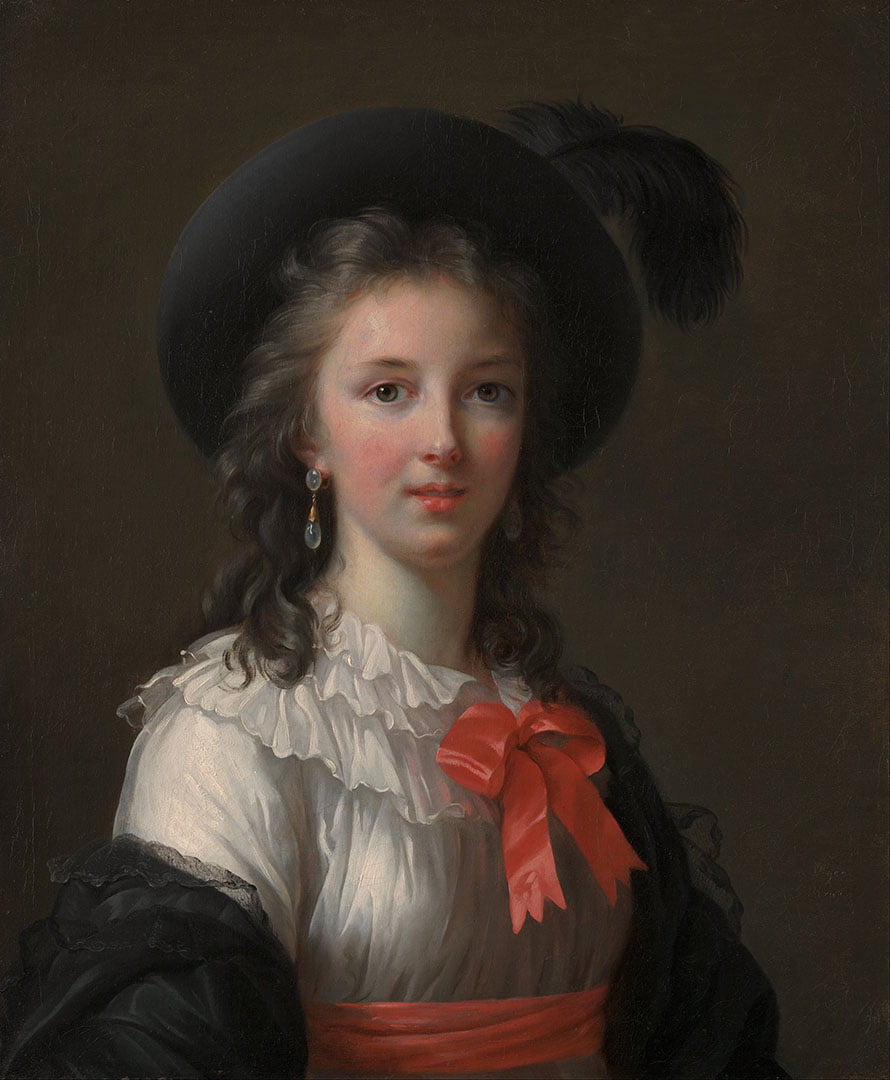
Romanticism and Beyond: As art movements evolved, so did the involvement of women. The 18th and 19th centuries witnessed the rise of artists like Élisabeth Louise Vigée Le Brun, who became the official portraitist of Marie Antoinette. Her works are noted for their elegance, capturing the essence of the Rococo style.
Modern Movements: The 20th century brought with it a wave of change, and women were at the forefront. Artists like Georgia O’Keeffe, with her iconic floral paintings, challenged the boundaries of modern American art. Meanwhile, Frida Kahlo’s deeply personal works resonated with themes of identity, gender, and post-colonialism, making her a pivotal figure in the surrealist movement.
Contemporary Conversations: Today, women artists continue to push boundaries, exploring diverse mediums and themes. From Yayoi Kusama’s immersive installations to Jenny Saville’s raw portrayals of the female form, women in art are not just participants but pioneers, shaping contemporary dialogues and future directions.
While the journey of women in the art world has been fraught with challenges, their indelible impact and contributions are undeniable. Their works, often a blend of personal narrative and broader societal commentary, enrich the tapestry of art history.

Women as Patrons and Collectors
Beyond their roles as creators, women have historically played pivotal roles in the promotion, preservation, and patronage of art. Their influence, often wielded from behind the scenes, has been instrumental in shaping artistic trends, supporting artists, and building some of the world’s most renowned art collections.
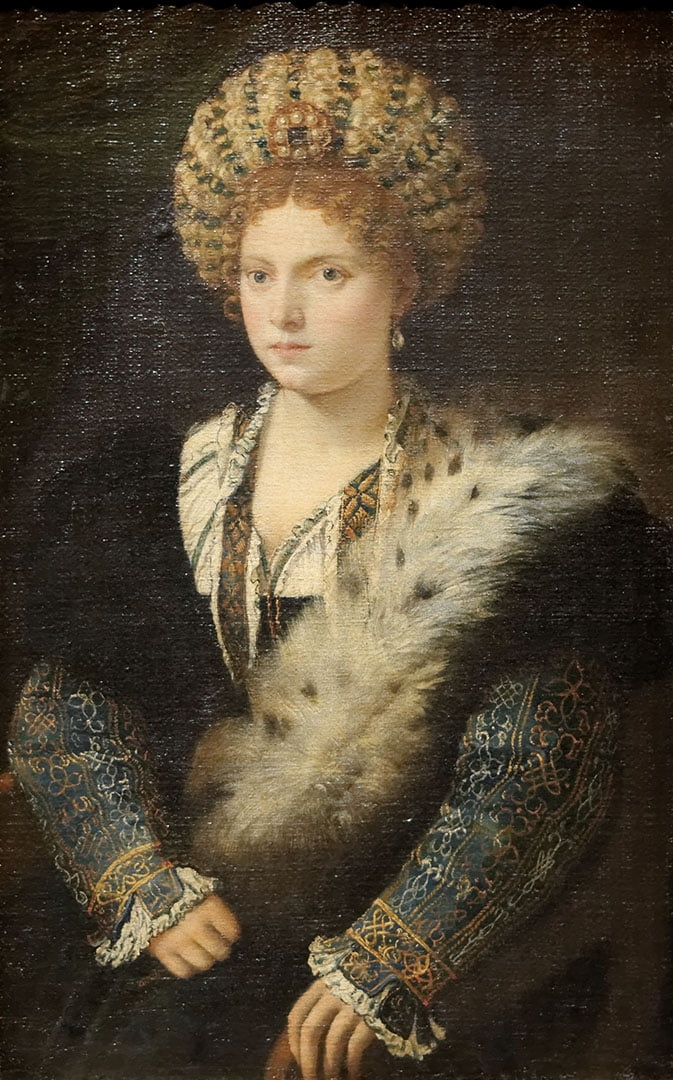
Medieval and Renaissance Patrons: During these periods, aristocratic women and queens were among the foremost patrons of the arts. Isabella d’Este, the Marchioness of Mantua, was renowned for her extensive art collection and her patronage of artists like Leonardo da Vinci and Titian. Her studiolo in Mantua stands as a testament to her artistic vision and influence.
18th and 19th Century Collectors: The Enlightenment and subsequent periods saw women not just as patrons but also as discerning collectors. Empress Catherine the Great of Russia amassed an art collection that would become the foundation of the State Hermitage Museum. Her acquisitions, ranging from European paintings to classical antiquities, showcased her expansive artistic vision.
Modern Era Benefactors: The 20th century witnessed women like Peggy Guggenheim, who not only collected art but also championed avant-garde movements and artists. Her collection, now housed in the Peggy Guggenheim Collection in Venice, includes works from the Cubist, Surrealist, and Abstract Expressionist movements, reflecting her keen eye and pioneering spirit.
Contemporary Champions: Today, women continue to be influential figures in the art world, both as collectors and as patrons. Their support of emerging artists, dedication to preserving art heritage, and efforts to make art accessible to broader audiences play a crucial role in the global art landscape.
Art Institutions and Philanthropy: Women have also been instrumental in founding and supporting art institutions. For instance, Abby Aldrich Rockefeller was one of the key founders of the Museum of Modern Art in New York. Such endeavors highlight the philanthropic spirit and commitment of women to nurturing and promoting artistic talent.
In conclusion, the role of women in art extends beyond creation. Their influence as patrons, collectors, and benefactors underscores their holistic contribution to the art ecosystem. Through their vision, support, and dedication, they have enriched the world of art, ensuring its legacy for future generations.
The Modern and Contemporary Era
The 20th and 21st centuries marked significant shifts in the art world, with women artists and influencers playing central roles in these transformations. From breaking traditional norms to spearheading revolutionary movements, women’s contributions in this era have been profound and multifaceted.
Feminist Art Movement: Emerging in the 1960s and ’70s, the feminist art movement was not just about creating art; it was a radical political act. Artists like Judy Chicago, Miriam Schapiro, and Barbara Kruger used art as a medium to challenge societal norms, address issues of gender inequality, and redefine the female experience. Their works, often provocative and bold, paved the way for discussions on gender roles, body autonomy, and female representation.
Conceptual and Performance Art: Women artists like Yoko Ono and Marina Abramović pushed the boundaries of traditional art forms, exploring conceptual and performance art. Their works, often interactive and immersive, questioned the very nature of art and the relationship between the artist and the audience.
Digital and New Media: The digital age ushered in new mediums and platforms. Artists like Jenny Holzer and Laurie Anderson embraced technology, integrating it into their works to create multi-sensory experiences. Their explorations bridged the gap between traditional art forms and contemporary digital expressions.
Global Perspectives: Contemporary women artists from diverse backgrounds have brought global narratives to the forefront. Artists like Shirin Neshat, who addresses themes of gender, identity, and society in post-revolutionary Iran, and Yinka Shonibare, who delves into colonialism and cultural identity, have expanded the horizons of contemporary art, introducing global dialogues and perspectives.
Art Activism: Women artists have also been at the forefront of art activism, addressing pressing societal issues. The Guerrilla Girls, an anonymous group of feminist activist artists, have been challenging the underrepresentation of women and minorities in the art world since the 1980s, using provocative posters and public interventions.
In summary, the modern and contemporary eras in art have been marked by experimentation, innovation, and activism, with women artists and influencers being central to these shifts. Their contributions, both in terms of content and form, have reshaped the artistic landscape, introducing new narratives, mediums, and discourses.

Challenges and Triumphs
The journey of women in the art world, though marked by significant achievements, has not been devoid of challenges. Systemic biases, societal norms, and institutional barriers have often stood in the way of their recognition and success. However, the resilience and tenacity displayed by women artists, patrons, and influencers have led to numerous triumphs, reshaping the art narrative.
Historical Barriers: Historically, women faced significant challenges in accessing formal art education. Prestigious art academies often barred women from enrollment, depriving them of opportunities to hone their skills and gain recognition. Additionally, societal norms confined women to domestic roles, limiting their exposure and participation in the public art sphere.
Underrepresentation: Even as women artists produced remarkable works, they often remained in the shadows, overshadowed by their male counterparts. Their contributions were frequently undervalued or overlooked, leading to a skewed representation in art history narratives and museum collections.
Economic Disparities: The art market, like many other sectors, has exhibited gender biases. Women artists historically received lower valuations for their works compared to male artists. This economic disparity extended to opportunities for exhibitions, commissions, and representation in galleries.
Triumphs and Milestones: Despite these challenges, the story of women in art is also one of triumph. From the groundbreaking works of pioneers like Artemisia Gentileschi and Mary Cassatt to modern icons like Frida Kahlo and Yayoi Kusama, women have defied odds to leave indelible marks on the art landscape. Their achievements have paved the way for future generations, ensuring a more inclusive and diverse art world.
Institutional Recognition: Over time, institutions have started to recognize and rectify the historical underrepresentation of women. Major museums and galleries worldwide are now actively acquiring works by women artists, hosting dedicated exhibitions, and revising curatorial practices to ensure a more balanced representation.
Grassroots Movements: Grassroots initiatives and collectives, like the Guerrilla Girls and Women’s Art Registry of Minnesota, have played pivotal roles in challenging biases and advocating for equal representation. Their activism has brought attention to disparities and catalyzed changes in institutional policies and practices.
In conclusion, while the path for women in the art world has been fraught with obstacles, their journey is a testament to resilience, innovation, and passion. Their triumphs, both individual and collective, serve as inspiration and a beacon of hope for a more equitable and inclusive future in the realm of art.

Conclusion
Women have been intrinsic to the world of art, not merely as subjects of admiration or muses but as creators, innovators, patrons, and visionaries. “Women in Art” is a narrative that spans millennia, from ancient artisans to contemporary creatives, each contributing to the rich tapestry of global art history.
The challenges faced by women in this domain are reflective of broader societal structures and biases. Yet, their achievements, often against formidable odds, highlight the power of talent, determination, and vision. Their contributions have been instrumental in challenging norms, introducing fresh perspectives, and enriching the artistic discourse.
In the modern era, as we witness a conscious shift towards inclusivity and recognition, it’s paramount to remember and celebrate the countless women who have shaped, and continue to shape, the world of art. Their legacy is not just in the masterpieces they’ve created or championed but in the paths they’ve paved for future generations.
The journey of women in art serves as a powerful reminder of the transformative potential of creativity and the enduring spirit of human expression.
Questions and Answers
Q1: Why has the role of women in art history often been limited to that of muses or subjects?
Historically, societal norms and structures have often confined women to domestic roles, limiting their public participation. Additionally, access to formal art education and prestigious academies was restricted for women. These systemic biases contributed to their underrepresentation as artists, leading to a predominant view of them as muses or subjects.
Q2: Who are some notable women artists from the Renaissance period?
One of the most renowned female artists from the Renaissance is Sofonisba Anguissola. Trained in Italy, her portraits were celebrated for their realism and emotional depth. Another notable name is Artemisia Gentileschi, known for her dramatic Baroque-style paintings.
Q3: How has the feminist art movement influenced contemporary art?
The feminist art movement, emerging in the 1960s and ’70s, used art as a medium to challenge societal norms and address issues of gender inequality. Artists like Judy Chicago and Barbara Kruger introduced provocative works that sparked discussions on gender roles, body autonomy, and representation. Their influence paved the way for subsequent artists to explore these themes, reshaping contemporary art narratives.
Q4: What challenges did women artists face in the art market?
Women artists historically faced gender biases in the art market, leading to lower valuations for their works compared to their male counterparts. Economic disparities also extended to opportunities for exhibitions, commissions, and representation in galleries.
Q5: How are modern institutions addressing the underrepresentation of women in art?
Modern institutions are taking proactive steps to rectify the historical underrepresentation of women. Many museums and galleries are acquiring works by women artists, hosting dedicated exhibitions, and revising curatorial practices to ensure a more balanced representation. Grassroots initiatives and advocacy groups have also played pivotal roles in bringing attention to these disparities and catalyzing institutional changes.